Music recorded in April 1890
In April 1890, in West Africa, French troops occupied Ségou in what is now the Republic of Mali, capturing the capital of the Toucouleur Empire. Meanwhile, in Japan, Kashihara Shrine was founded in Nara Prefecture on April 2nd, and in Kyoto, the Lake Biwa Canal (First Canal), which would become the trump card of modernization, held its completion ceremony on April 9th, 1890. It was a month in which the reconstruction of the national myth and the development of urban infrastructure progressed simultaneously.
In the same month, the First International Conference of the Americas in Washington, D.C., established the Bureau of Trade of the American Republic (the precursor to the Pan-American Union and the Organization of American States), and Ellis Island in New York Harbor was officially designated as the site of the United States' first federal immigration office. This was also a time when progress was being made in creating a framework for trade cooperation and immigration control on a regional scale.
Confirmed recordings this month: 0
Summary of information on recordings made in April 1890
The recording trends of April 1890 marked a turning point, moving from laboratory-level recording to the mass production of commercial and toy records for home use. Because the actual recording dates are often unclear, this article focuses on recordings directly mentioned around "April 1890" in primary sources and contemporary news reports, as well as technological and corporate trends related to recordings and devices released to the market in April, all of which are taken from the context of recording history. Because no individual "songs" have yet been found with a specific date and recording title, this article focuses on recordings themselves and trends in related technologies and industries.
Edison's Talking Doll and Wax Cylinder
On April 7, 1890, "Edison's Talking Doll," created by Thomas Alva Edison (1847–1931) and his company the Edison Phonograph Toy Manufacturing Company, was first sold to the public at the Lenox Lyceum in New York. The doll's chest housed a small, detachable phonograph and a wax cylinder, and it is considered the first pre-recorded cylinder for home use, featuring pre-recorded nursery rhymes such as "Mary Had a Little Lamb" and "Twinkle, Twinkle, Little Star."


Scientific American magazine profile of the "Talking Doll Factory"
The April 26, 1890 issue of Scientific American featured an article titled "Edison's Phonographic Doll," which included illustrations of the talking doll, its internal phonograph mechanism, and the factory where it was manufactured. This article was an important document that impressed upon contemporaries the rapid development of the new "talking doll industry," which meant that the mass production of pre-recorded cylinders, albeit for toys, had become a reality.


12 types of children's song records and mass production by female recording workers
By the spring of 1890, Talking Doll's repertoire was limited to 12 nursery rhymes and poems, including "Mary Had a Little Lamb," "Now I lay me down to Sleep," and "Jack and Jill." Each was commercialized as a short wax cylinder repeating the same lines. Approximately 18 low-paid women at the Edison Laboratory repeatedly recorded these lines in individual booths. The Talking Doll, which hit the market in April 1890, marks one of the earliest examples of "laborer-produced records" delivered to homes.


George W. Johnson's earliest commercial recordings (January–May 1890)
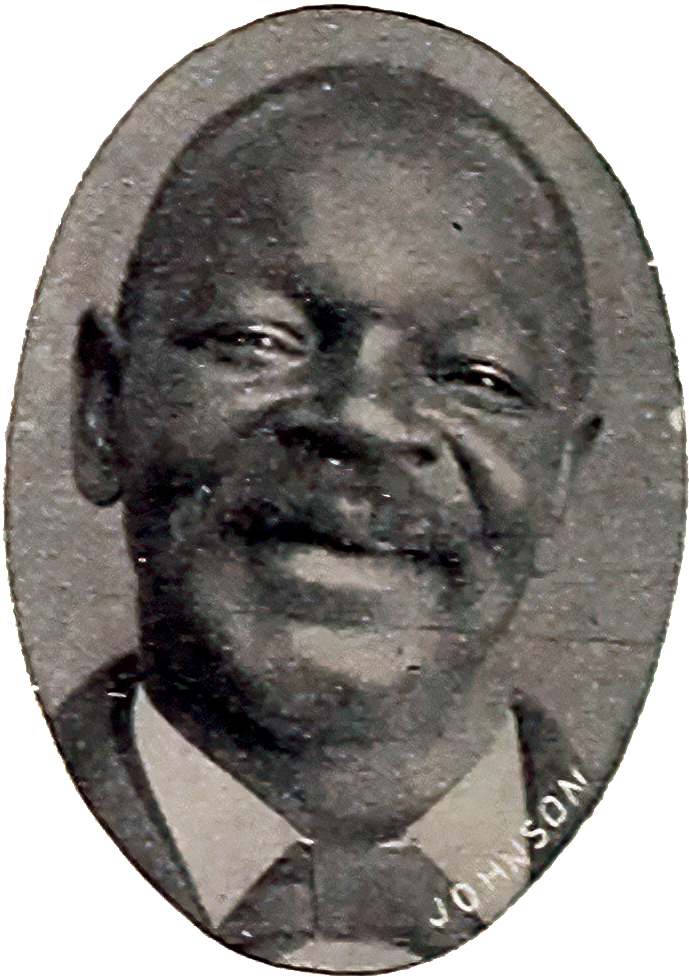
George W. Johnson (1846–1914) is said to have begun making wax cylinder recordings for coin-operated phonographs for the New York and New Jersey Regional Phonograph Company between January and May 1890. While the exact dates of the recordings are unknown, this recording activity beginning in the "first half of 1890" (including "The Whistling Coon" and "The Laughing Song") indicates that commercial recordings by black singers were established in the urban entertainment scene during the period up to and including April, and is considered an important bridge to the later era of mass-produced records.
Gianni Bettini's Micrographophone and High-Quality Recording Technology
Gianni Bettini (1860–1938) developed a "micrographophone/microphonograph" device that enabled high-quality cylinder recordings, and it was featured in the April 26, 1890, issue of Scientific American as "Lieut. Bettini's New Micro-Graphophone." Bettini's improved recorder/reproducer later became the technology behind the production of high-quality recordings known as "concert cylinders," and it is clear that as early as April 1890, progress was already being made in the development of devices for recording music and speeches with even higher fidelity.